
Benjamin started his career in banking. Since 2017 he has ventured & invested in niche businesses like WoodCapitol & Evhome. He has been exploring meaningful sustainable business practices for years. Through his experiences, Benjamin will be able to set a clear vision and value. Coupled with his strong ambition and complementary team skillset, the company shall achieve great heights.

Sean has a degree in Economics from the NUS and eight years of combined experience in the financial and fintech industries. Sean has a strong management skillset; manages approximately SGD25 million of AUM for his clients. He has a record of zero client defaults in trading risks and market exposure. Sean is efficient in developing an action plan in response to compliance violations.

Johnny was in the RSAF for 20 years as an Air Traffic Controller before joining the finance industry almost a decade now. He has a strong communication and management skillset; Johnny manages multiple clients’ accounts including prospects under his job scope. With his experience, Johnny takes up the responsibility for the development of an action plan for revenue growth and pursuing leads through the sales cycle.

Dann has a degree in Marketing from RMIT. His constant learning about the market trend (market research) allows him to develop the latest marketing strategies with the knowledge and trend in mind. With his engineering background, Dann can take advantage of his analytical and creative side of him to produce efficient marketing strategies and content.

Mr. Anthony brings with him over 2 decades of experience in the emerging technology business, which includes a regional financial technology company MC Payment, the second company to receive the Major Payment Institution (MPI) license from the Monetary Authority of Singapore. Being an entrepreneur and venture capital investor, Mr. Anthony can predict the challenges faced by startups and able to provide effective success factors that help the company to scale.

Mr. Chua is a computer engineer turned entrepreneur who gets things done. Currently serves as the Executive Director of CashChanger and is an investor in many companies (1 IPO, 3 acquisitions). Mr. Chua has raised funding for several firms that he has invested in, co-founded, or purchased. He is not only technically trained, but also enthusiastic about Blockchain and Web 3.0. Mr. Chua's experience allows him to propose strategic solutions that will aid the company's growth.

As a seasoned Business Development Specialist, Franky thrives on identifying and capitalizing on growth opportunities that drive revenue and expand market presence. Franky has a proven track record of fostering strategic partnerships and driving innovative strategies to achieve organizational goals. His ability to cultivate meaningful relationships with key stakeholders, clients, and partners has consistently translated into increased market share and enhanced brand visibility.
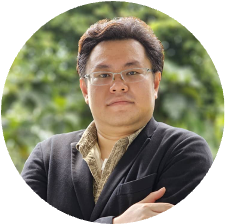
Benjamin started his career in banking. Since 2017 he has ventured & invested in niche businesses like WoodCapitol & Evhome. He has been exploring meaningful sustainable business practices for years. Through his experiences, Benjamin will be able to set a clear vision and value. Coupled with his strong ambition and complementary team skillset, the company shall achieve great heights.
Sean has a degree in Economics from the NUS and eight years of combined experience in the financial and fintech industries. Sean has a strong management skillset; manages approximately SGD25 million of AUM for his clients. He has a record of zero client defaults in trading risks and market exposure. Sean is efficient in developing an action plan in response to compliance violations.
Johnny was in the RSAF for 20 years as an Air Traffic Controller before joining the finance industry almost a decade now. He has a strong communication and management skillset; Johnny manages multiple clients’ accounts including prospects under his job scope. With his experience, Johnny takes up the responsibility for the development of an action plan for revenue growth and pursuing leads through the sales cycle.
Dann has a degree in Marketing from RMIT. His constant learning about the market trend (market research) allows him to develop the latest marketing strategies with the knowledge and trend in mind. With his engineering background, Dann can take advantage of his analytical and creative side of him to produce efficient marketing strategies and content.
Mr. Anthony brings with him over 2 decades of experience in the emerging technology business, which includes a regional financial technology company MC Payment, the second company to receive the Major Payment Institution (MPI) license from the Monetary Authority of Singapore. Being an entrepreneur and venture capital investor, Mr. Anthony can predict the challenges faced by startups and able to provide effective success factors that help the company to scale.
Mr. Chua is a computer engineer turned entrepreneur who gets things done. Currently serves as the Executive Director of CashChanger and is an investor in many companies (1 IPO, 3 acquisitions). Mr. Chua has raised funding for several firms that he has invested in, co-founded, or purchased. He is not only technically trained, but also enthusiastic about Blockchain and Web 3.0. Mr. Chua's experience allows him to propose strategic solutions that will aid the company's growth.
As a seasoned Business Development Specialist, Franky thrives on identifying and capitalizing on growth opportunities that drive revenue and expand market presence. Franky has a proven track record of fostering strategic partnerships and driving innovative strategies to achieve organizational goals. His ability to cultivate meaningful relationships with key stakeholders, clients, and partners has consistently translated into increased market share and enhanced brand visibility.
 English (UK)
  简体中文
简体中文